

Crafting the First Handmade Pieces: The Origins of Azka
Azka’s story begins with academic achievement: high marks in FSC, a push toward medicine, and parental expectations. Yet, inside, she was restless. Though accomplished in science, she was drawn toward art, textures, fashion, and color. It wasn’t a conscious plan but a pull toward creating.
She faced early uncertainties: she did not know what a design portfolio looked like; proportions, pattern making, textile categories, these were foreign concepts. But she kept sketching, took up design tutorials, applied for PIFD, and explored different departments until she discovered her affinity for leather accessories and footwear design. In her first encounters with peers in design classes, she felt less prepared but that vulnerability pushed her to learn more.
Academic & Early Professional Learnings At PIFD, Azka was exposed to the full breadth of design disciplines. She visited departments, observed peers working with fabrics, leather, and accessories.
Azka said: “99 percent marks honay ke bawajood, mera dil design ki taraf khich raha tha.”
Translation: “Even with 99 percent marks, my heart was pulling toward design.”
She took internships, freelanced, and later accepted a role as a Creative Director. These roles gave her insight into the supply chain, labour, prototyping, client demands, and cost constraints. She saw what commercial brands expected: sourcing, minimum order quantity, finishing, logo design, and branding decisions. She balanced working for others with quietly preparing her own vision.
Breaking the Mold: Choosing Craft Over Conformity
Despite societal pressure and family comparisons “Kapre banaogi? Mochi banogi?”, Azka chose to build her own name. Her early brand under Westage by Azka allowed her to apply design skills, build small pop-ups, and test markets. But she felt the need to own her identity, her themes, her narrative so that the designs reflect her voice, not someone else’s edits.
In 2023, she reintroduced her brand as Azka Naveed Official. She decided not to be confined to bags and accessories alone. She wanted clothing, footwear, and accessories, even menswear where appropriate. Themes partnered with design choices; colour palettes, motifs, and silhouettes all became tools to express narrative.
Launching under her own name brought risk. Consumer expectations, price sensitivity, production cost, and labour intensity all challenged her. She dealth with internal and external risks equally.
Azka reflects, “Bohat time lgta hai, labour cost barhti ha, lekin har kaprey ke peeche wo jazba hona chahiye ke kapra khud bolay.”
Translation:
“It takes a lot of time, labour cost increases, but behind every garment there must be that passion that the fabric speaks for itself.”
She also had to manage moments of self-judgment: will people understand my stories? Will customers accept the price? Are my designs too artistic to be wearable? But these moments did not deter her in fact they shaped how she designed, how she priced and how she communicated.
Scaling Azka Beyond Her Idea: From Private Sketches to Signature Collections
First Collection & Tools
Her first full drop under her own name was limited: six pieces with strong themes of nature, childhood memories, flood imagery, and carnival motifs. She collaborated with an intern textile designer, shared ideation, sketch work in Procreate and Photoshop, refined patterns, and selected textures and thread work carefully. Each piece had elements that told more than the visual: hidden pockets, interior surprises, and linings with motifs.
Azka explained, “Mujhe har design mein ek chhupi hui kahani chahiye thi. Aisa na ho ke sirf dekhne mein acha lage, balkay uss ke andar bhi kuch mehsoos ho.”
Translation: “I wanted every design to carry a hidden story. Not just something that looks good, but something you can feel within.”
Sizing was carefully managed (XS to L); made-to-order options helped avoid excessive inventory. Each shoot, each visual presentation was aligned with the theme: location, music, photography, and colours all chosen to reflect her narrative voice.
Incremental Growth & Product Expansion
From accessories and bags, she expanded into coats, footwear, and men’s-inspired pieces during her patriotic collection. Each collection introduced new product types but did not forsake quality or identity. She opened herself to multiple channels: Instagram launches, pop-ups like Mashion, planning studio visits, preparing her website, and collaborating with multi-brand platforms.
Her business decisions are governed by trade-offs: scale versus detail, speed versus emotion, cost versus craftsmanship. She chooses customers who resonate more with the story, even if they are fewer initially.
Azka shares, “You can’t make it for everyone and you shouldn’t. You make for the ones who feel something when they wear it.”
Fashion Market in Focus: Key Trends and Consumer Behavior
To help you understand Azka’s timing and opportunity in a better way, especially in 2024‑25, here are some recent stats and trends in Pakistan’s fashion & e‑commerce sector.
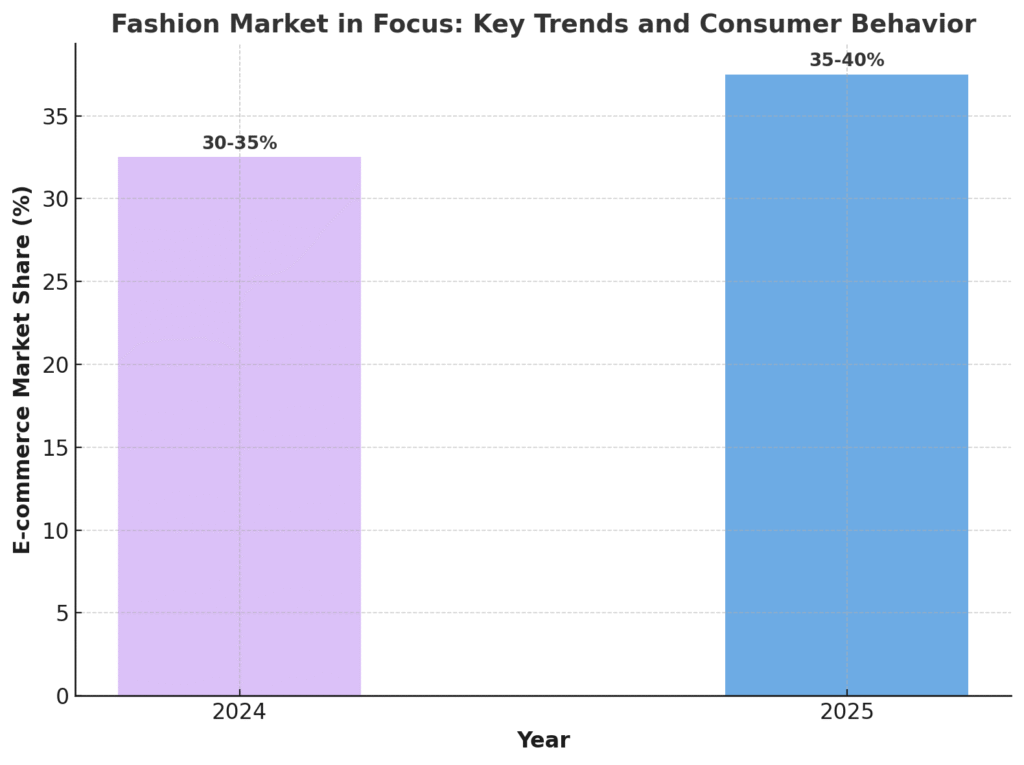
- Consumer behavior shifting is shifting as quality, storytelling, brand identity now rank as major decision factors. More consumers are willing to pay more for brands that offer authenticity, craft, narrative, rather than simply lowest price. (Surveys & trend reports in 2024 show this clearly.)
- Textile exports have shown small but positive growth (e.g. monthly textile export growth ~0.4% in early 2025) indicating supply chains remain active. Fashionating World
These macro‑signals show rising demand, rising online trust, opportunity for brands that can differentiate through narrative, craftsmanship, identity, exactly what Azka is building.
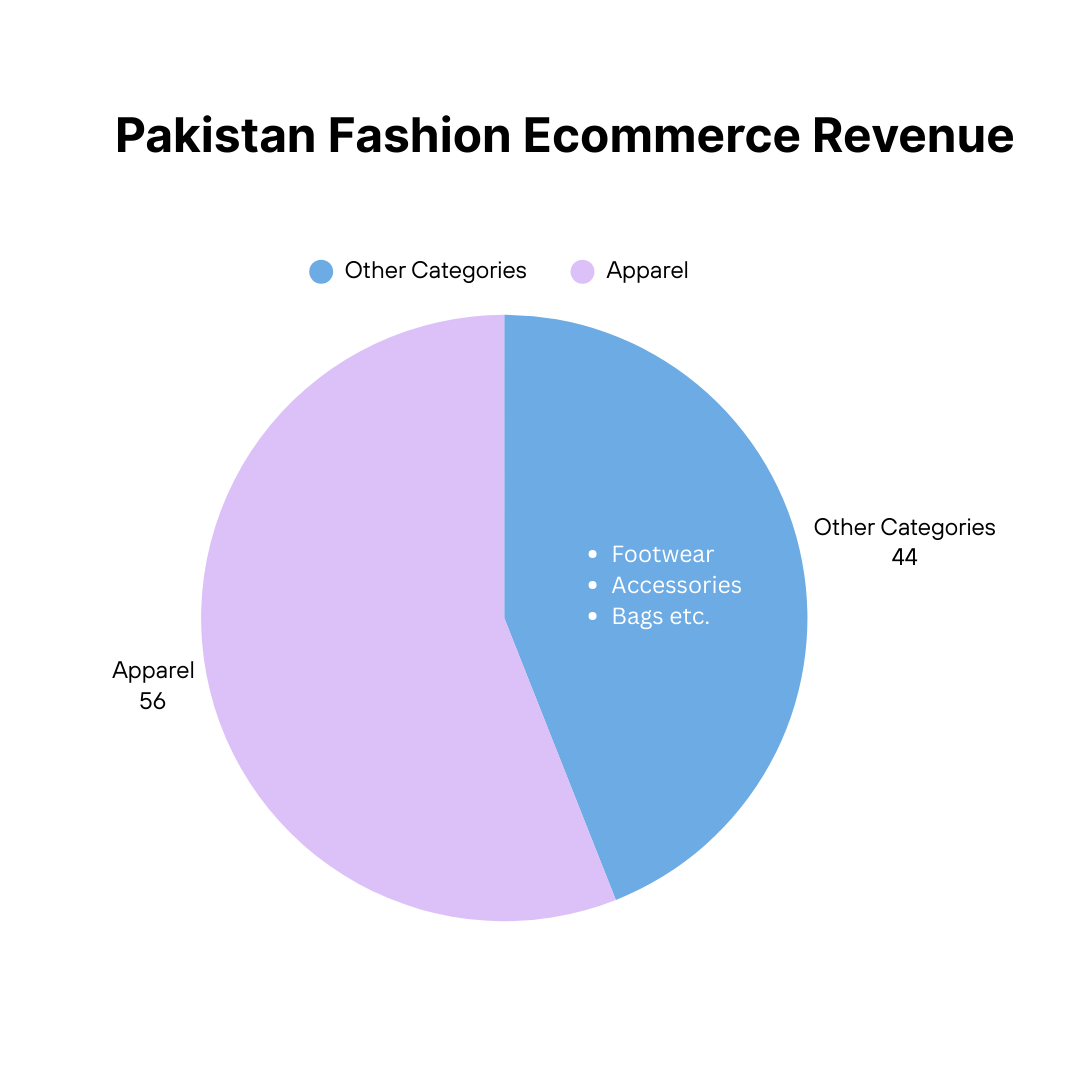
- Apparel is the largest category in this online fashion revenue, constituting about 56% of the total. ECDB
Competitive Advantage Analysis – Azka vs Competitors
Area | Azka’s Edge | How Others Trade Off |
Story & Theme | Azka designs around memories, motifs, architecture, and personal narrative. Strong coherence in each collection. | Many brands follow global fast‑fashion trends, copy cat designs, and less thematic consistency. |
Immersive Craftsmanship | The hidden details, texture, shape, surprise inside garments, involvement in pattern, embroidery, thread work. | Other brands often cut details to meet price/speed demands; finish less refined. |
Controlled Scale & Financial Discipline | Limited runs, thoughtful size ranges, made‑to‑order, avoiding overstock. | Others often produce large inventories, heavy discounting, yield leak in margins. |
Customer Education & Trust | Storytelling, behind‑scenes, pop‑ups, interactions, sharing process. Creating a community with appreciation. | Some purely focus on influencer marketing, visuals only, not process; weaker differentiation. |
Premium Positioning | Customers recognize style, and accept price for value. International interest. | Many local brands struggle to move past the price competition; often undervalue their own work or underprice. |
Lessons Learned from Azka’s Journey
Azka’s Journey
- Identity Defines Design: Story, background, and memories don’t just decorate — they give every creation its uniqueness.
↓ Learning by Doing: Formal training at PIFD plus internships, freelancing, and prototyping built both creative depth and operational strength.
↓Emotion Meets Practicality: Detail and emotion give legitimacy, but smart calls on size, order quantity, and channels keep the business viable.
↓Customer Connection Compounds: Pop-ups, stalls, Instagram storytelling — each touch builds trust and long-term recognition, even if sales are slow now.
↓Growth Through Doubt: Questions like “Will people get this?” or “Am I charging too much?” shaped humility, sharpened strategy, and fueled resilience.
What Azka’s Journey Teaches Us
- Azka’s story shows that a creative brand in Pakistan today can succeed by refusing to compromise on its message. When you ground your work in authentic narrative, design detail, and build trust, even small beginnings can grow into meaningful impact.
- Her journey also emphasises patience: building a fashion brand isn’t only about sales or fast scale but it’s about shaping perception, educating customers, remaining consistent so that every stitch, motif, colour becomes part of your brand voice.
- Furthermore, in emerging markets like Pakistan, consumers are hungry for authenticity. They’re tired of generic fast fashion. They value craftsmanship, story, and identity. Brands that deliver those are rewarded, not always immediately, but certainly in sustained loyalty and recognition.